AV & Technology
Sound Masking Systems: Types, Cost, and How to Choose
Key Takeaways
- Sound masking systems come in two types: static, which runs a constant level all day, and adaptive, which adjusts in real time as ambient noise changes.
- A full commercial install runs roughly $2-$3 per square foot, covering equipment, setup, and tuning for the space.
- Open offices, call centers, hospitals, schools, and HR or meeting rooms see the most benefit, anywhere a private conversation needs to stay private.
- A real system uses tuned, tested sound, not a desk fan or a generic white noise machine. A fan is random and doesn’t target speech frequencies.
- Static systems cost less and suit steady environments; adaptive systems cost more but hold up better where noise levels swing through the day.
- Zoned control lets different areas run different masking levels, so a lobby and the meeting room next to it aren’t tuned the same.
Once you know you need sound masking, the next question is which system. Static or adaptive? Ceiling-mounted or portable? And what does it actually cost to cover a real office, not a demo room? Here’s how the options break down.
Static vs Adaptive Systems
A static system runs the same masking level around the clock, set once during tuning and left alone. It’s simpler to install and maintain, and it works well in spaces where the ambient noise doesn’t change much through the day. An adaptive system tracks the room’s actual noise level and adjusts the masking sound to match, running quieter during a slow morning and louder once the floor fills up for the afternoon. Adaptive costs more upfront, but it handles spaces with real swings in activity, a call center at shift change, a lobby between meetings, better than a static system tuned for the average.
What a Real System Includes
A desk fan or a phone app playing white noise isn’t sound masking. It’s random, untargeted, and doesn’t do anything to specifically cover speech frequencies. A real system uses tested, tuned sound delivered through dedicated speakers, controlled by a digital processor that lets an installer set levels by zone instead of guessing at one setting for the whole floor. That control is most of what you’re paying for. The speakers themselves aren’t exotic hardware.
Where Sound Masking Systems Make the Biggest Difference
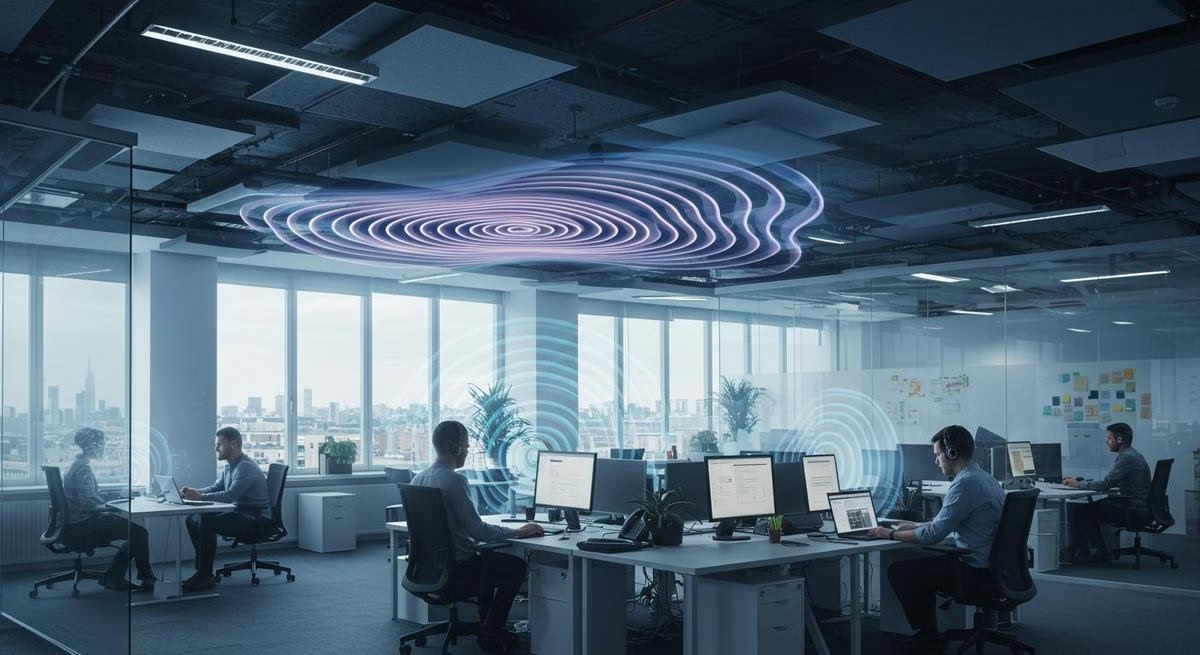
Open offices and call centers get the most obvious benefit: less overheard conversation, fewer people raising their voice to be heard over the next desk. Hospitals use masking to protect patient conversations in ways HIPAA compliance actually depends on. Schools use it to help students focus in shared spaces. Meeting rooms and HR offices need it to stop sensitive conversations from leaking through a wall or open door, the kind of privacy that matters most when it’s a compensation discussion or a personnel issue.
What Sound Masking Systems Cost
A full installation, equipment, setup, and tuning included, runs roughly $2 to $3 per square foot. That range covers most open-office and call-center installs; hospitals and spaces needing tighter zoning can run toward the higher end because of the added control points. The comparison that matters isn’t masking versus nothing, it’s masking versus the alternative: sound-absorbing renovation work, which typically costs more and only reduces noise instead of managing speech privacy directly.
How to Choose the Right System
Start with how much your noise level actually varies through the day. A steady, predictable environment doesn’t need to pay for adaptive control. A space with real swings, a call center, a shared lobby, benefits from it. Next, map the zones. A system that treats an entire floor as one setting will either be too loud near the windows or too quiet near the printer room. For how these systems get tuned and calibrated once they’re installed, see our guide on how office sound masking works.
Common Mistakes When Buying
The most common mistake is treating masking as a one-time purchase instead of a tuned system. A masking level set once during a quiet install walkthrough, then never adjusted for the room’s actual daily traffic, ends up too loud, too quiet, or both depending on time of day. The second most common mistake is skipping the walkthrough entirely and pricing off square footage alone, which misses ceiling height, hard surfaces, and where the private conversations actually happen.
FAQ
Is sound masking the same as soundproofing?
No. Soundproofing physically blocks sound from passing through walls or ceilings. Sound masking adds a background sound that covers speech, so it’s less audible and less distracting, without changing the building’s construction.
Do sound masking systems work in an open floor plan?
Yes, and that’s where they do the most good. Open floor plans have no walls to block sound, so masking is often the only practical way to add speech privacy without adding partitions.
We design and install sound masking systems sized to how a space is actually used, not a flat rate per square foot with no walkthrough. If open-office noise is a problem in your corporate offices, book a free consultation and we’ll assess what your space needs.