Church & Worship AV
The Real Cost of DIY Church Audio in North Georgia
Key Takeaways
- Self-installed systems often mean buying gear that doesn’t match the room, then buying it again once the mismatch becomes obvious.
- A volunteer who buys speakers based on what a mega-church uses is usually buying the wrong tool for a much smaller sanctuary.
- Complex digital consoles have a real learning curve. Handing one to an untrained volunteer is a common cause of sound booth turnover.
- A botched install costs more in lost visitors than it saves in avoided labor fees.
- Some jobs genuinely fit a DIY approach. A full sanctuary system usually isn’t one of them.
Why DIY Audio Purchases Rarely Match the Room
When a North Georgia church needs an audio upgrade, the finance committee’s first move is often to hand a volunteer a budget and a link to an online music retailer. On paper, that looks like good stewardship. In practice, DIY audio purchases often turn into a cycle of buying, returning, and rebuying gear that never quite sounds right in the sanctuary. The problem starts at the shopping list: gear picked from a catalog doesn’t account for the room it has to fill.
The Mega-Church Speaker Is the Wrong Tool for Your Chapel
The most common mistake a volunteer team makes is buying gear built for a different building entirely. A line array that sounds incredible in a 2,000-seat Atlanta auditorium is often flat wrong for a 200-seat chapel with stained glass and hard pews, and the mismatch shows up as feedback, dead spots, and a harsh mix. Replacing amplifiers and speakers two years after installing them isn’t a win for the budget, no matter how generous the return policy was.
A Digital Console Has a Learning Curve Nobody Warned You About
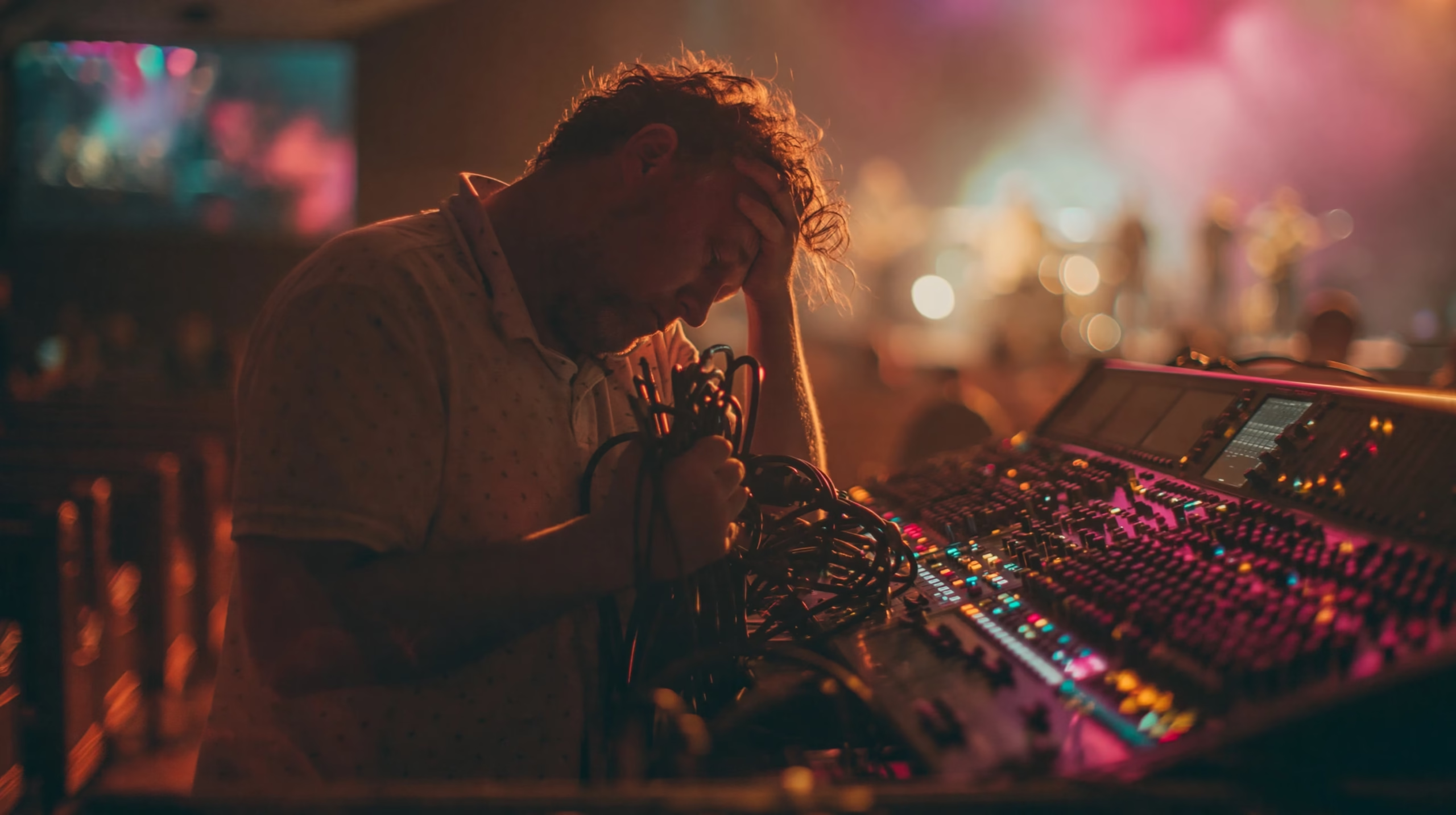
Church technology should fade into the background, not become a weekly source of stress. When a full DIY installation lands on a volunteer’s plate, the mixing console is usually the part that gets underestimated. Expecting someone with a full-time job outside the church to master a digital board, route audio over the network, and troubleshoot wireless interference, all without formal training, asks a lot of anyone’s Sunday morning. That gap between the system’s complexity and the volunteer’s training is what drives sound booth turnover, and a church that loses its volunteer loses its Sunday coverage.
What a Bad Install Actually Costs You
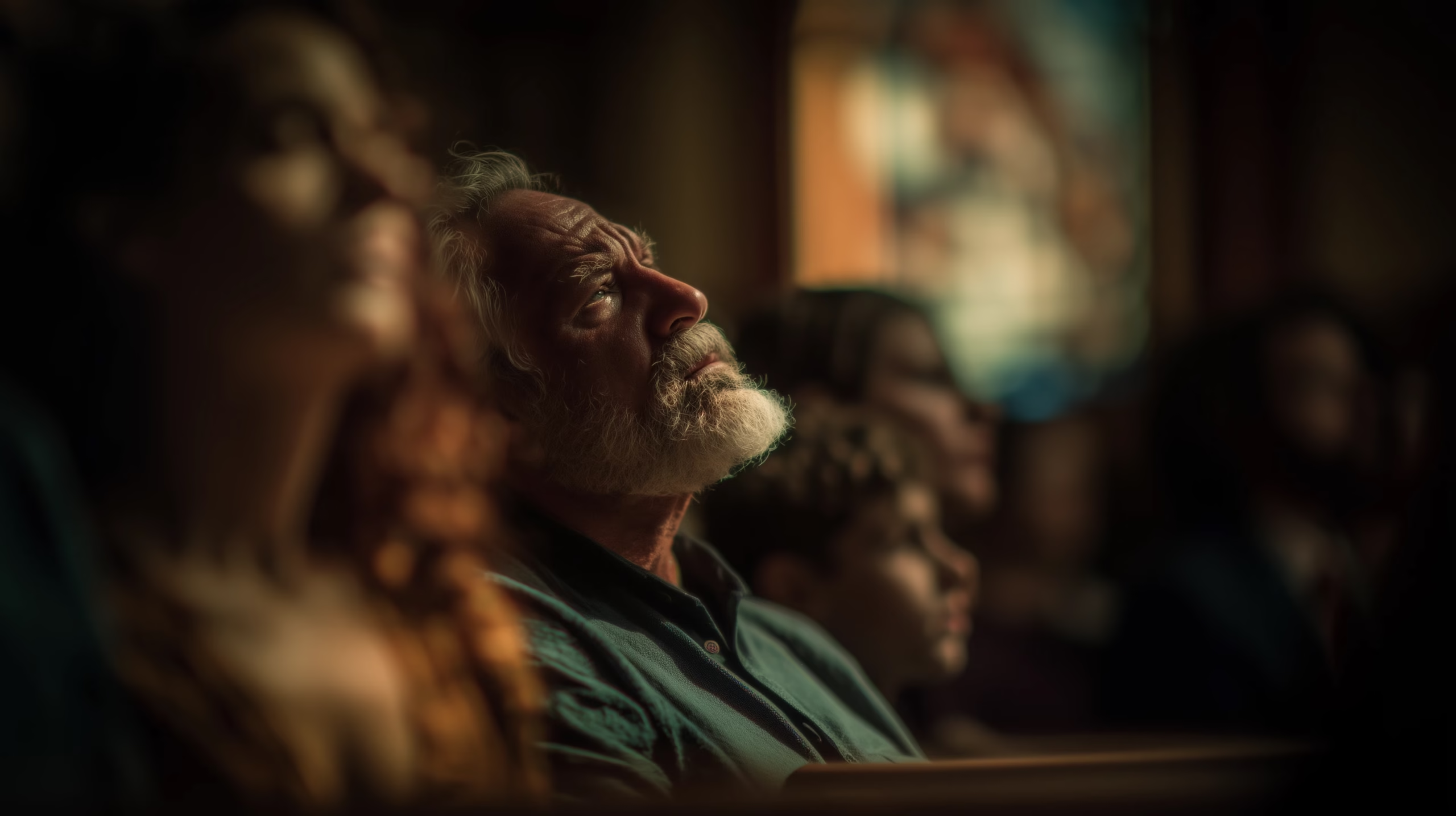
The real cost of a bad DIY installation doesn’t show up on the receipts. Flashy gear that was never properly tuned to the room becomes a distraction from the sermon, and that distraction has a way of quietly emptying the back pews. Our piece on why North Georgia churches lose visitors over bad audio covers exactly what that pattern looks like from the guest’s side of the room, and it’s worth reading before you commit a volunteer’s Saturday to a full system install.
Where DIY Actually Makes Sense
None of this means every project needs a professional. Running a single mic cable to a youth room or patching a small classroom speaker is a reasonable weekend project for a handy volunteer. The math changes for your main sanctuary, where the room, the mic count, and the acoustics all work against a first attempt. What a professional integrator in North Georgia actually brings: acoustic analysis, a system sized for your specific room, and training that transfers to your team. When we take over a project that started as DIY, the first step is testing and re-terminating whatever cabling is salvageable, so you’re not paying to redo work that was already sound.
If your church is weighing a full install against a patch job, our guide to affordable audio for small churches shows what a right-sized system looks like without the mismatch. Book a free consultation and we’ll tell you honestly whether your project is a DIY job or not.