Church & Worship AV
Why North Georgia Churches Lose Visitors Over Bad Audio
Key Takeaways
- A first-time guest who sits through feedback or muddy speech almost never fills out a connection card to complain. They just don’t come back.
- Regular members learn which seats in the sanctuary sound bad and avoid them. A visitor sits wherever there’s an open chair.
- Hard walls, high ceilings, and hard pews turn a clear sermon into an echo before it reaches the back rows.
- Older members with hearing loss and younger guests used to clean sound everywhere else they go both get let down by the same muddy mix, just for different reasons.
- A soundboard only an expert can run will eventually lose the volunteer running it, and your Sunday coverage goes with them.
Nobody Files a Complaint on Their Way Out
A new family visits your church in Cumming or Gainesville, sits through a set with feedback squealing out of the monitors, and never says a word about it on their way out. They don’t file a complaint. They don’t email the office. They just don’t come back next Sunday, and the connection card they filled out sits in a drawer nobody follows up on, because nobody connects the dots. Bad audio is one of the few problems in a church that fails silently.
The Room Punishes Guests More Than Regulars
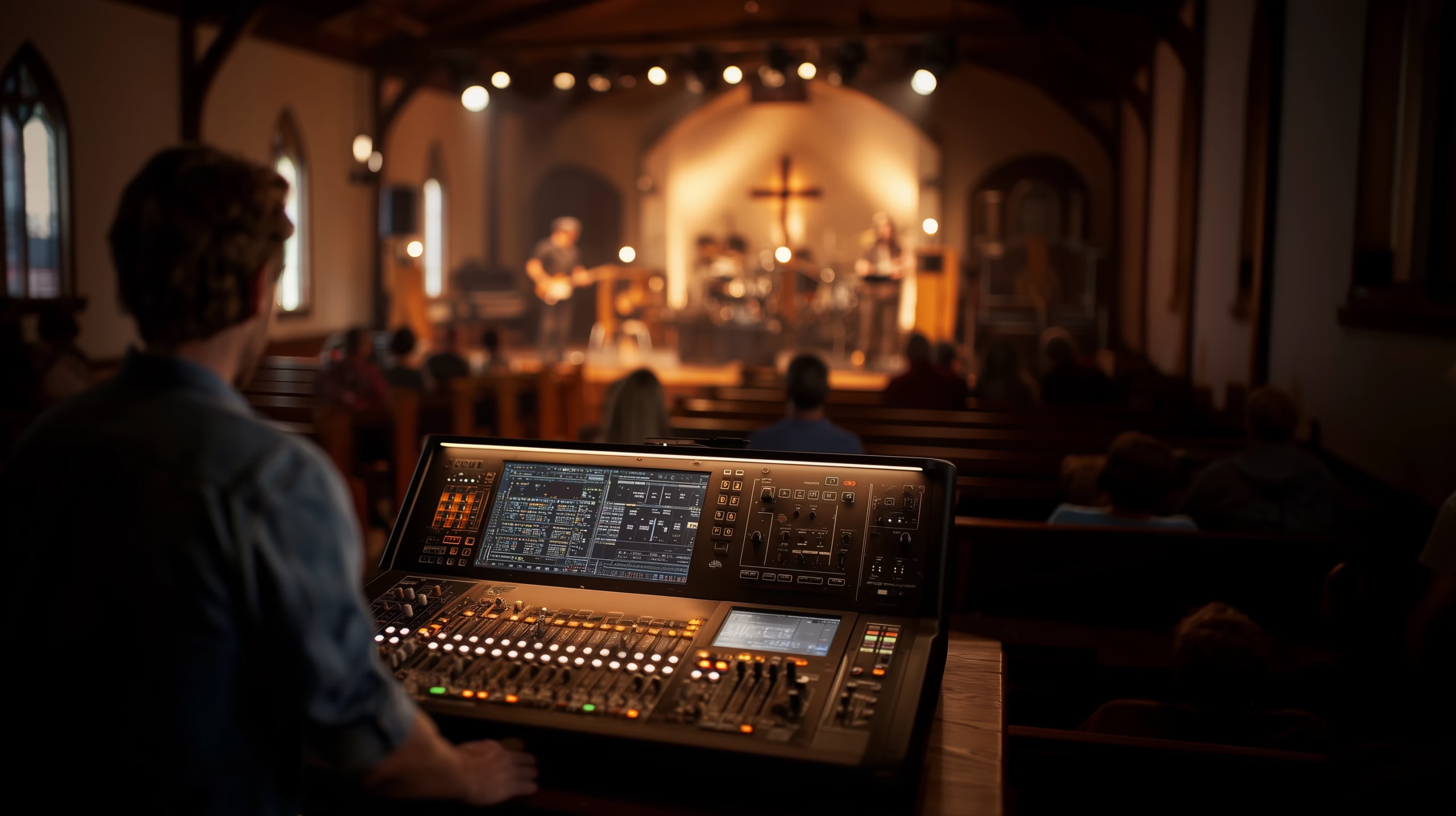
Every long-time member of your congregation has already solved your sanctuary’s acoustics without realizing it. They know the third pew on the left goes quiet during announcements and that the balcony catches an echo off the back wall, so they sit somewhere else. A first-time guest doesn’t have that map. They take the open seat closest to the door, which is often the worst seat in the room, and the sermon that took your pastor all week to prepare turns to mush before it reaches them.
What a Cheap Fix Actually Costs
When a board member wants to avoid a real repair bill, the instinct is to patch the problem: a new mic here, a secondhand speaker there, bought between finance meetings. None of it is tuned to the room, and none of it fixes the hard drywall bouncing sound around the sanctuary. The pattern repeats every year or two, and the church ends up spending more in small, invisible purchases than a proper fix would have cost the first time. If you want the fuller picture, our breakdown of what DIY church audio actually costs covers that cycle in detail.
Two Groups Notice First, and Neither One Complains
Older members are often your most consistent attendees and givers, and many of them have some degree of hearing loss that makes a muddy mix genuinely hard to follow, not just unpleasant. Younger visitors, meanwhile, are used to clean sound everywhere else they go, from a coffee shop playlist to a gym class, and a bad mix reads to them as a church that hasn’t kept up. Hearing assistance systems and a properly tuned room aren’t extras for either group. For any house of worship, they’re closer to basic hospitality than an upgrade.
Give Your Volunteer a System, Not a Mystery
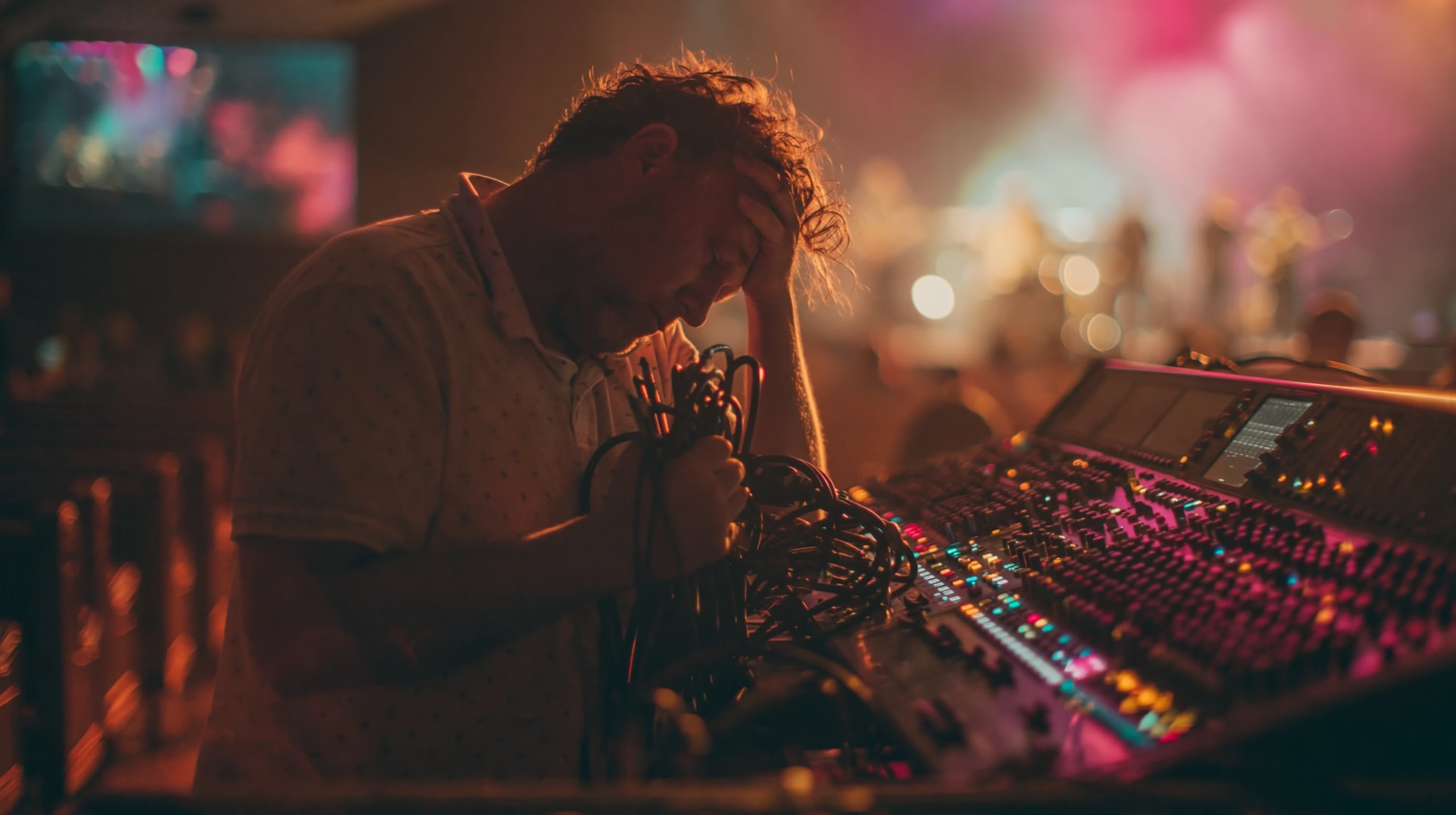
The person most likely to burn out over bad audio is the volunteer running the board, not the pastor. A mixing console with forty unlabeled channels and no starting point turns every service into a live troubleshooting session. When we set up a board for a volunteer team, we build in a baseline reset scene the operator can return to with one button if feedback starts or a channel gets muted by accident, and we walk through it with them before we leave. A confident volunteer keeps the sound booth staffed. A panicked one quits.
Good sound isn’t a luxury line item. It’s the reason a guest comes back a second time. If you want real numbers instead of a guess, our North Georgia sound system cost guide breaks down pricing by congregation size. When you’re ready for a second set of ears in the room, book a free consultation and we’ll walk the space with you.