Church & Worship AV
North Georgia Church AV System Planning: A Step-by-Step Guide
Key Takeaways
- Form a small technology committee and walk the building before anyone requests a quote on new gear.
- Acoustic treatment and speaker placement matter more than the brand on the cabinet. Fix the room first.
- Hardwired connections beat WiFi for anything that streams, and PTZ cameras let one volunteer run a multi-angle broadcast.
- Lighting on a DMX control board does more for the worship atmosphere per dollar than almost anything else on the list.
- A phased installation protects the budget and keeps Sunday services running while the work happens.
Buying Gear Before You Have a Plan Is the Fastest Way to Waste It
The instinct when a congregation starts growing is to head straight to a gear website and order a bigger mixing console. That’s usually backward. AV planning that works starts with a small technology committee, not a shopping cart: your tech director, a pastoral voice, and at least one person with no technical background who can say when a plan has drifted into jargon nobody else understands. Walk the building with that group before you request a single quote. It’s the same starting point we use on every worship AV project in North Georgia: assessment first, gear second.
The Room Decides More Than the Speaker Brand Does
Line-array speakers from the best manufacturer on the market will still sound like they’re underwater in a sanctuary full of bare drywall, stained glass, and hard pews. Before anyone touches the soundboard, look hard at the room: where the hard surfaces are, how sound bounces off the back wall, and whether the seating layout leaves anyone in a dead zone. Fabric wall panels and a few well-placed rugs solve more audio problems than an equipment upgrade does, and they cost a fraction as much.
Wire What Streams, and Let Cameras Do the Camera Work
As a ministry’s reach grows past the building, the network under the floor matters as much as anything on stage. Streaming encoders belong on hardwired connections, not WiFi, because a dropped frame during the sermon is the kind of thing people notice.
PTZ cameras are worth the investment for a growing sanctuary: a single volunteer can run three or four preset angles from a joystick instead of needing a camera operator per shot. When you’re choosing between a projector and an LED wall, let the room’s ambient light and your budget phase decide. A good projector on a proper screen beats a video wall that gets cut for cost partway through.
Lighting Does More for the Room Than People Expect
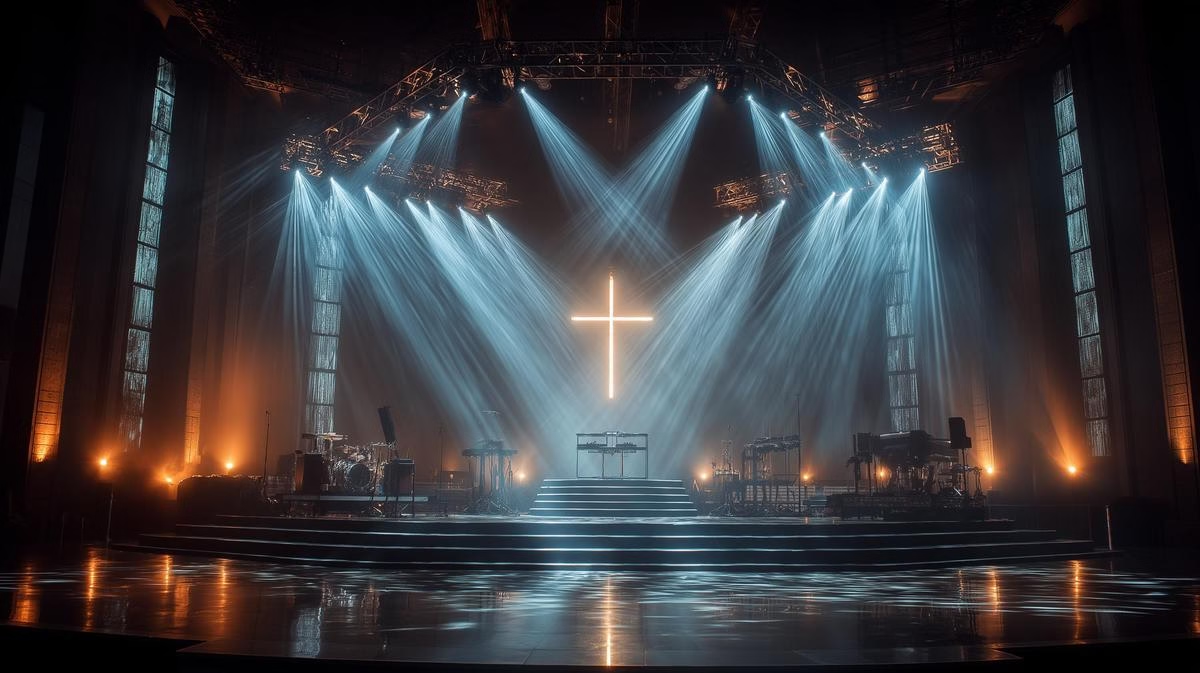
Lighting gets treated as decoration when it’s actually one of the cheapest ways to shape how a service feels. A DMX control system lets your tech team build wash lights and spotlights into presets, so the room can shift from bright and welcoming during the greeting to focused and quiet during the sermon without anyone riding a fader in real time.
Build the Plan the Volunteer Running It Will Actually Use
A new AV system is only as good as the person operating it on a Sunday morning with fifteen minutes of setup time. Training isn’t an afterthought tacked onto the end of an install; it’s the last planned step, built into the schedule from day one. We stage installs in phases so a volunteer masters the digital soundboard before a broadcast video switcher gets added on top of it, and we build push-button workflows instead of a wall of unlabeled knobs. The plan is finished when someone who didn’t design the system can run the 9 a.m. service alone.
A good AV plan is a budget document as much as a technical one. For lighting specifics once the sanctuary work starts, see our lighting fundamentals guide, and for the network work behind the streaming gear, our network and WiFi upgrade guide covers what to wire first. When you’re ready to walk your building with someone who does this for a living, book a free consultation.