Security
Is Home Security Worth It? How to Decide for Your Situation
Key Takeaways
- The right question isn’t “is it worth the money” in general; it’s whether your specific risk, habits, and household need the coverage.
- Most break-ins are opportunistic, and a visible camera or alarm pushes a burglar toward an easier target instead of yours.
- Frequent travel, regular package deliveries, or an elderly or disabled family member at home all raise the case for monitoring.
- Many homeowners insurers discount premiums for a monitored system; the size varies by carrier, so ask before you buy.
- False alarms carry real fines in some cities, so a system with poor sensor placement can work against you.
- If the honest answer is “just because it seems like a good idea” with no specific risk behind it, a simpler, cheaper setup is usually the better fit.
Is home security worth it? The question gets asked as if it has one answer, but it doesn’t. A frequent traveler with a package-heavy porch needs a different answer than someone who’s almost always home and rarely gets a delivery. Instead of a blanket yes or no, here’s a framework: the specific factors that tip the answer one way or the other for a given household.
Start With the Question You’re Actually Asking
“Is it worth it” only means something once it’s attached to a specific risk. Worth it against what: a break-in, a package theft, a way to check on an aging parent during the day? Each of those points toward a different system, and some point toward no system at all beyond a good lock and a doorbell camera.
The honest version of the question is: what are you actually trying to prevent or catch, and does a monitored system change the odds of that enough to justify the monthly cost? Answer that first, and the gear decisions get a lot easier.
Does Home Security Actually Deter Crime?
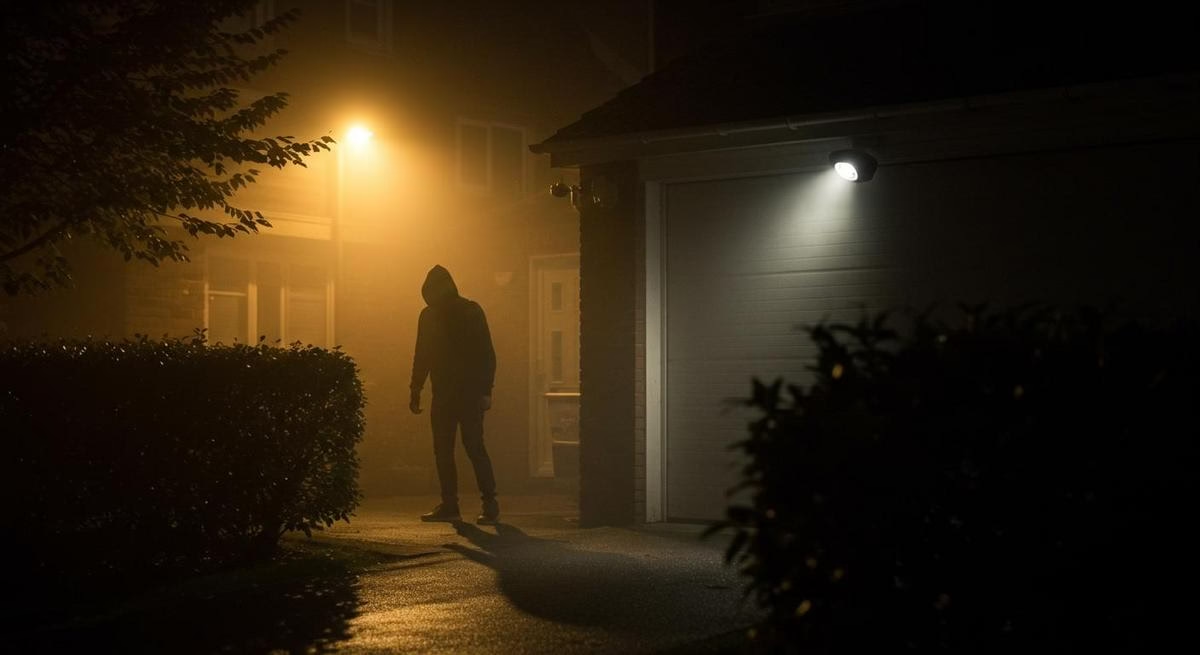
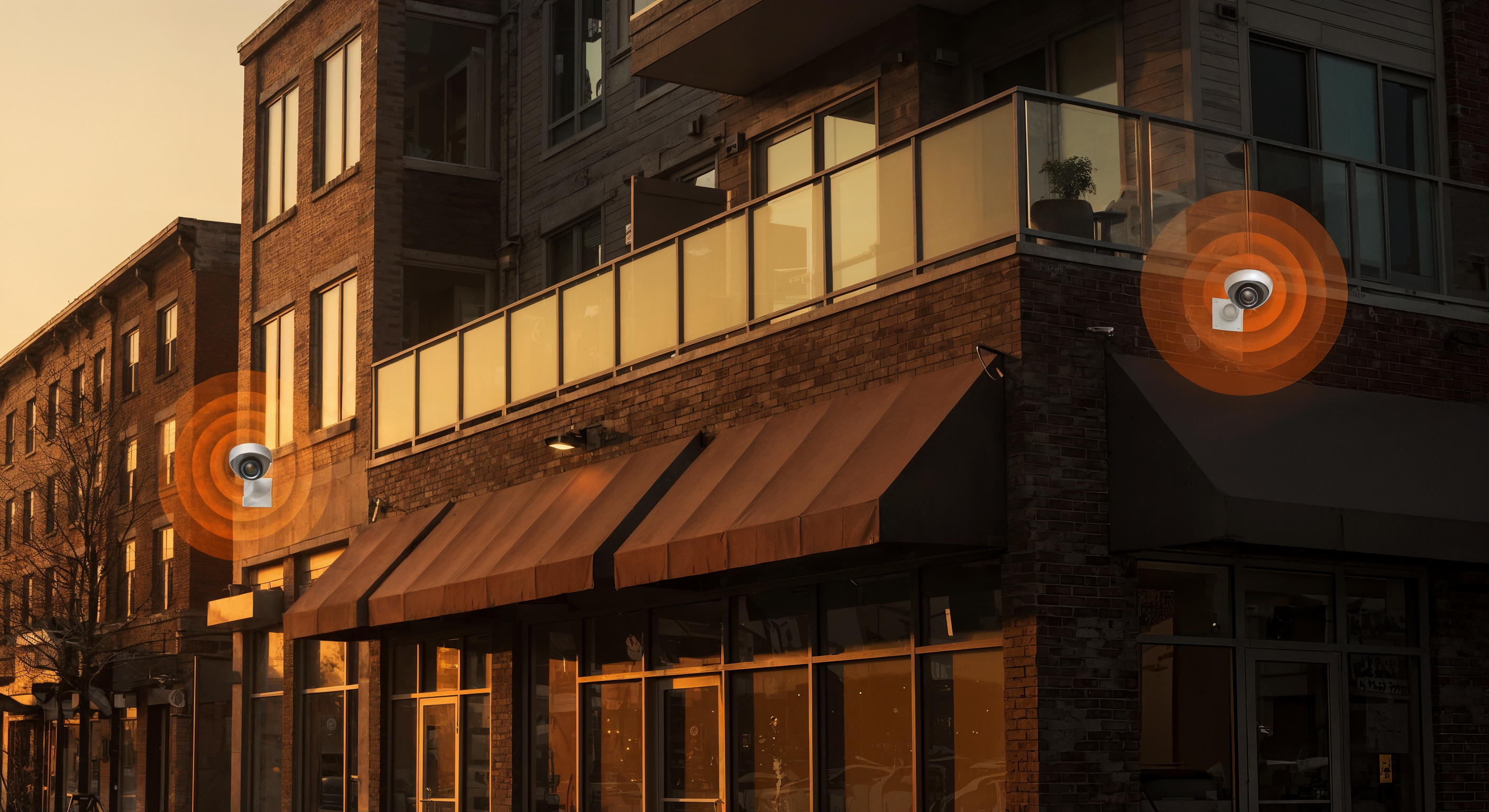
Yes, for most burglars, and there’s real research behind that answer rather than just marketing copy. We cover the data in detail in do burglars avoid homes with cameras; the short version is that most break-ins are opportunistic, and a visible, working system pushes a burglar toward an easier target instead of yours.
That deterrence effect is real, but it isn’t the whole value case. Cameras also settle package-theft disputes, document who was actually on your property during a dispute with a neighbor, and give you eyes on the house when you’re not there, none of which shows up in a burglary-prevention statistic.
Who Actually Benefits Most From a Monitored System
A few situations make the case for monitoring stronger than average:
- Frequent travel, where nobody’s home to notice or respond to an alert
- Regular deliveries, where package theft is a recurring, not hypothetical, risk
- An elderly or disabled family member living alone who benefits from remote check-ins and fall or motion alerts
- A home-based business or rental property, where the liability and asset exposure goes beyond a typical household
If none of those apply, the case for a full monitored system gets weaker, and a simpler setup starts to look like the better answer, not a compromise.
Where the Insurance Math Can Tip the Scale
Many homeowners insurers offer a premium discount for a monitored security system, since it lowers their own risk of paying out a claim. The size of that discount varies by carrier and by state, so it’s worth a call to your insurer before you buy anything; in some cases, the savings offset a meaningful chunk of the monthly monitoring cost. Ask specifically what qualifies: some insurers require professional monitoring, not just cameras, before the discount applies.
When a Simpler Setup Is the Better Fit
Not everyone needs a monitored contract. If you’re rarely away, don’t get frequent deliveries, and don’t have anyone home who needs a remote check-in, a doorbell camera and solid locks might be the honest answer, not a $50-a-month commitment you’ll question in year two.
False alarms are the other side of that decision. Some cities fine repeat false dispatches, so a system with sensors placed where pets or normal foot traffic trip them can end up costing you instead of protecting you. A simpler system with fewer, well-placed sensors often causes fewer problems than a complex one installed in a hurry.
What This Actually Costs
The framework above tells you whether a system fits your situation. It doesn’t tell you what you’ll pay for it. For the full breakdown, DIY versus monitored, per-device pricing, and the multi-year math, see what a home security system actually costs.
If part of what you’re protecting is a home-based business or a rental property rather than a single household, that’s the work we actually do, and booking a free consultation gets you a real walkthrough instead of another generic quote.