Church & Worship AV
How Much Does a Church Sound System Cost? Price Guide
Key Takeaways
- Small sanctuaries under 200 seats typically spend $5,000-$15,000 for a basic mixer, two speakers, and a couple of mics.
- Music-driven mid-size churches usually land between $20,000-$75,000 once subwoofers, more mics, and a digital board enter the picture.
- Large sanctuaries running line arrays and multi-zone coverage can reach $100,000-$250,000 or more.
- Installation labor runs $50-$125 per hour for a tech, more for an acoustic engineer, and short-notice Sunday work costs more.
- Acoustic treatment such as panels and cloud baffles is a separate line item most churches forget to budget until the room echoes.
- A modular system costs more upfront but lets you add zones or upgrade a mixer later without tearing out what already works.
Church sound system price is usually the first question a finance committee asks, before anyone gets to talking gear. The honest answer spans a wide range: a small chapel can land a working system for $5,000, and a multi-campus sanctuary with line arrays and broadcast integration can run past $250,000. What separates those numbers isn’t luck. It’s room size, how many mics you’re running, and whether the acoustics fight you or help you. Here’s what actually shapes the cost, section by section.
What Drives Your Church Sound System Price
Four things move the number more than anything else: room size, how music-driven the service is, the acoustics of the space, and how much of the install is hidden work like conduit and rack builds. A storefront church running two speakers off a basic mixer is a different project than a 1,200-seat sanctuary mixing a live band every week. Wireless mics and in-ear monitors add freedom, and cost. So do the parts nobody sees: DI boxes, power conditioning, cable runs, and rack space. Most churches budget for the speakers and forget the wiring behind them.
Core Components and What They Cost
A full church sound system needs five things: a mixer, speakers, microphones, amplification, and the cabling that ties it together.
- Mixers: $300 for a small analog board to $10,000+ for a digital console with scene recall
- Speakers: $800-$6,000 each, depending on size, coverage pattern, and brand
- Microphones: wired mics cost less and limit movement; wireless sets cost more and free up the stage
- Amplifiers, DI boxes, and rack gear: often underestimated, but they make everything else work
- Cabling and connectors: unglamorous, and the first thing a bad install skips
Skip any one of these, and the system that looked complete on paper stops working the first Sunday you actually need it. We spec church audio installs as a full component list up front, not a speaker quote with the wiring assumed.
How Sanctuary Size and Acoustics Change the Price
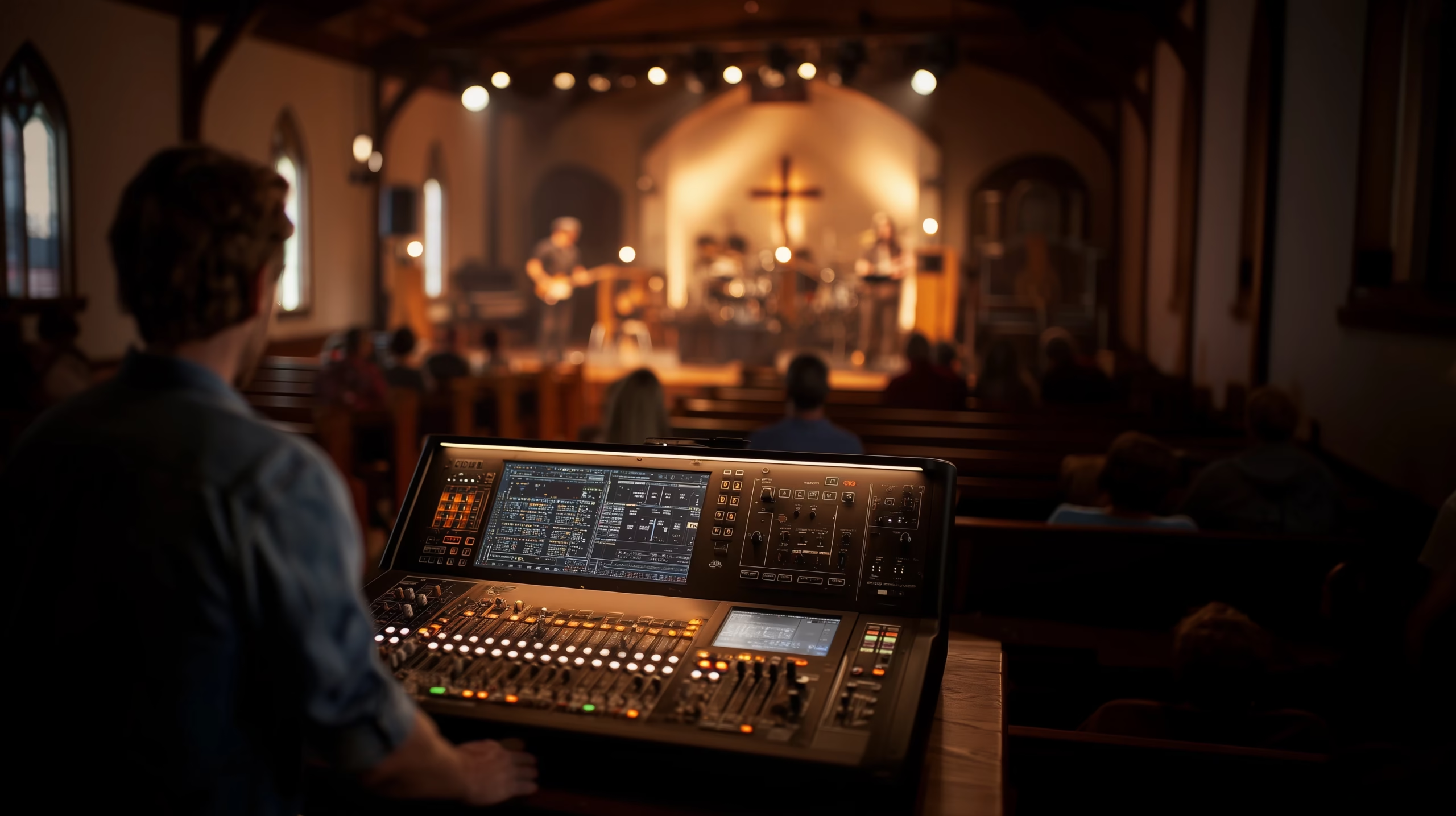
The best sound system for a small church fits the room, not a spec sheet. Two speakers, a mixer, and two mics can cover a 150-seat sanctuary for around $5,000-$10,000 installed. Add brick walls, a dome ceiling, or hard pews, and the math changes: sound bounces instead of landing, and now you’re pricing acoustic panels or cloud baffles alongside the gear. Line arrays handle big, echo-prone rooms well but cost more than point-source speakers, which are cheaper and can leave dead spots in the back pews. We walk the room and map how it actually behaves before pricing anything, because a speaker quote without a room in mind is a guess.
Installation, Labor, and Support Costs
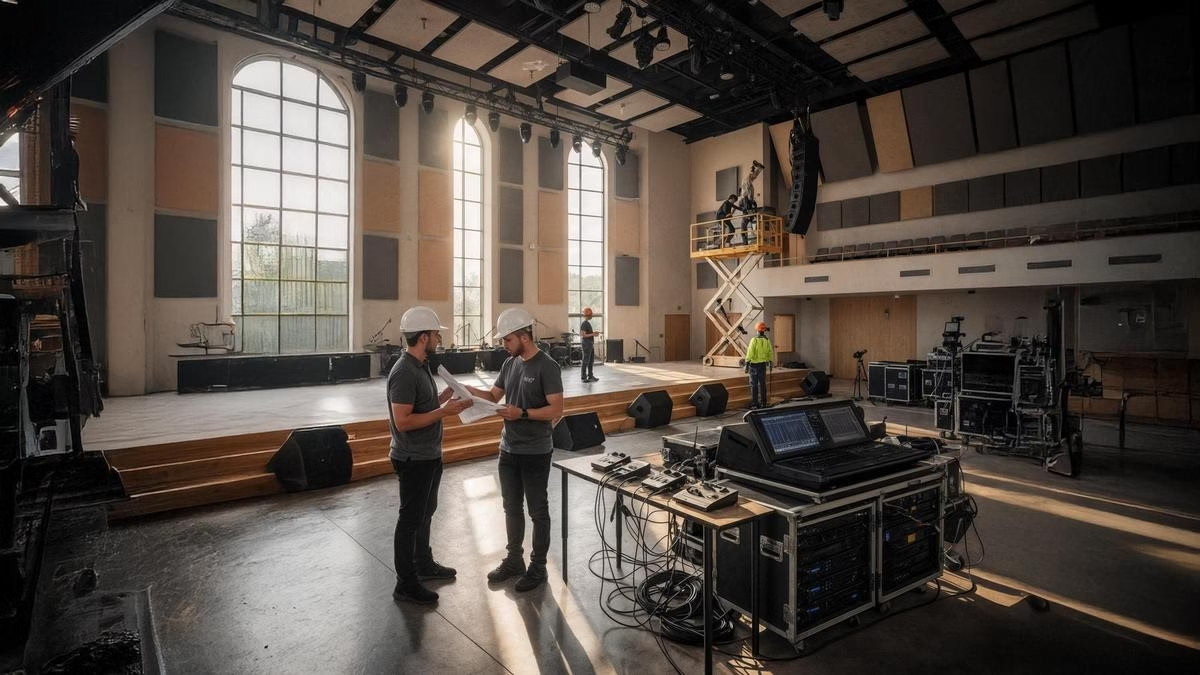
Gear is half the invoice. Installation and support make up the rest. Techs typically run $50-$125 per hour, and a dedicated acoustic engineer costs more. Complex work, hanging speakers from a 40-foot ceiling or running cable through finished walls, adds time and price. Short-notice jobs and Sunday installs carry a premium, same as any trade. A support plan is worth pricing in from the start. It’s cheaper to catch a failing amp on a Tuesday than to discover it during the announcements.
Getting the Best Value Without Blowing the Budget
Cheap gear fails fast, usually on a deadline. Buy once instead of buying twice after something breaks. Set a number, then leave 10-15% of it for cables, stands, and the install costs a gear list won’t show. Reconditioned equipment from a trusted source can stretch a budget further than new gear from an unknown one. Bundling gear, install, and training into one quote usually beats piecing it together yourself.
Planning for Upgrades and Long-Term Costs
Buy a system you can grow with, not one you’ll replace. Dust is the quiet killer of audio gear, more than age, so plan for basic cleaning and cable checks on a schedule. Budget to swap worn cables and tired mics every couple of years rather than waiting for a mic to die mid-service. If the church streams, test the signal chain every week; silence at go-live is not a chance worth taking. Adding a second room later is far cheaper if the original system was built to expand into it, which is worth confirming with whoever designs worship AV for your congregation before the first wire gets pulled.
FAQ
How much does a sound system cost for a small church?
A basic setup for a sanctuary under 200 seats, mixer, two speakers, two mics, usually runs $5,000-$15,000 installed.
How much does a sound system cost for a large church?
A 1,000-plus-seat sanctuary running line arrays, multiple mic channels, and a digital console typically lands between $100,000 and $250,000, depending on acoustics and coverage zones.
What’s included in a full church sound system price?
Mixer, speakers, microphones, amplifiers, cabling, DI boxes, and rack gear, plus labor. Acoustic treatment and support plans are usually priced separately.
Do wireless mics cost more than wired mics?
Yes. Wireless mic sets cost more upfront than wired mics, but they give a pastor or worship leader room to move without tripping over a cable.
A church sound system price only feels overwhelming until you know which line items actually move the number. Get the room, the mic count, and the acoustics right, and the gear list mostly writes itself. If you want a walkthrough of your sanctuary before you commit to a budget, book a free consultation and we’ll tell you what your room actually needs.